





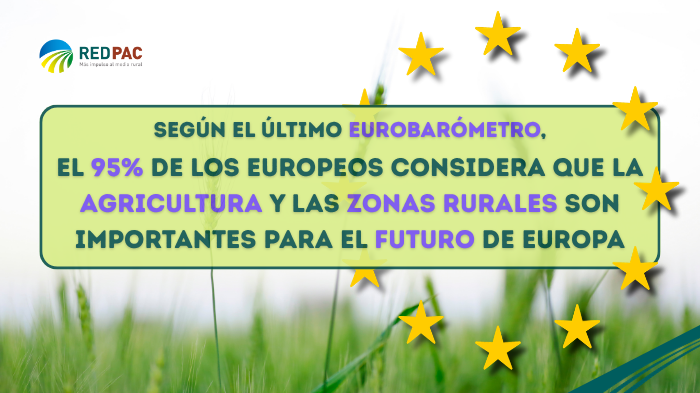
The Eurobarometer survey conducted by the European Commission between May and June 2026 shows that…
Climate change, the energy crisis, and the unsustainable use of natural resources are three of the most influential factors in the increasing vulnerability of agricultural and forestry systems, both now and in the future.
In this context, the CAP Network promotes actions that contribute to reducing greenhouse gas (GHG) and ammonia emissions, as well as the excessive—inefficient and polluting—use of pesticides and fertilizers. It also works to improve management in the use and conservation of natural productive resources—water, soil, vegetation—promote energy self-sufficiency through renewables, and enhance and diversify production. This is without forgetting the dissemination of adaptation or mitigation measures in the face of climate change, which is already here: from the use or recovery of better-adapted varieties and breeds to increasing the carbon sink capacity of agricultural and forest soils.
News
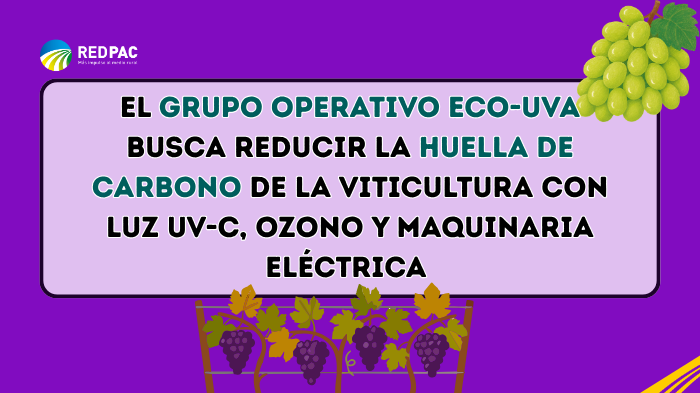
The ECO-UVA Operational Group aims to reduce the carbon footprint by developing alternative…
The LEADER project “Responsible KM0 Dining Halls” brings together 8 Local Action Groups from…
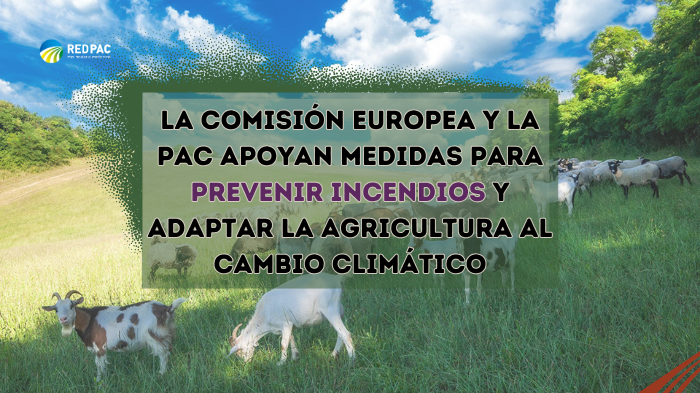
The European Commission, through the Common Agricultural Policy, supports measures to adapt…
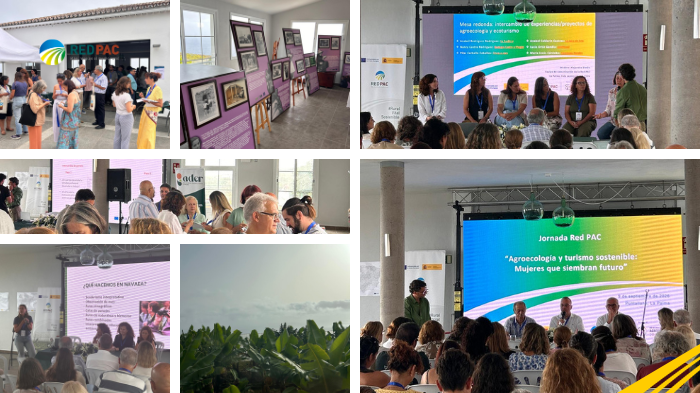
The event brought together nearly 80 participants and focused on economic diversification, the…
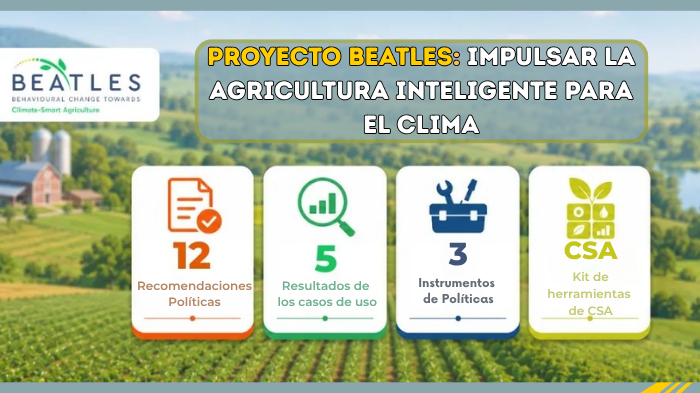
The European project BEATLES has studied between 2022 and 2026 the barriers and factors that…
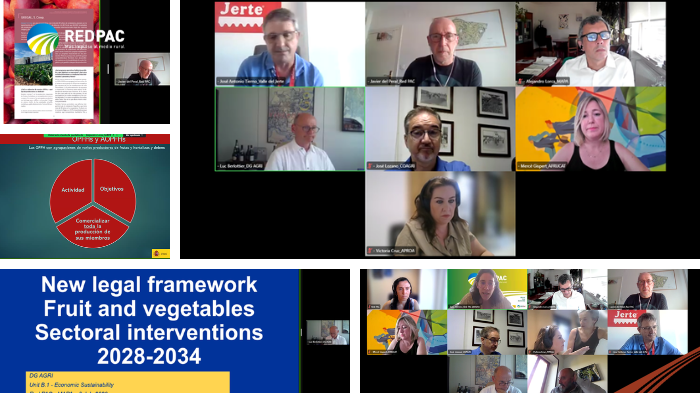
The Red PAC event “Presentation and exchange of experiences of good practices of OPFH and AOPFH”…
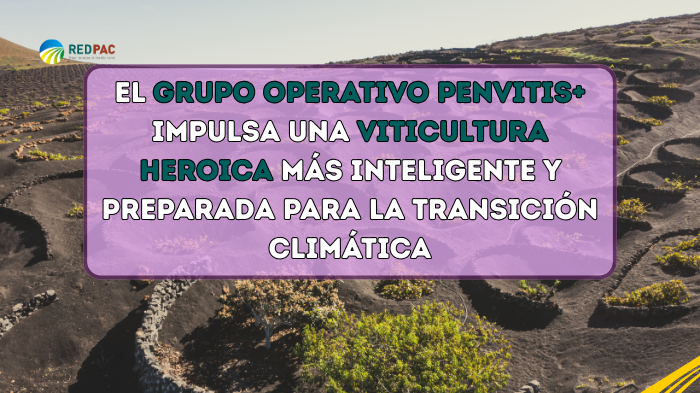
The PENVITIS+ Operational Group is investigating tools based on artificial intelligence, drones and…
Events, workshops and training
- 29-10-2026
- 30-06-2026
- 16-06-2026
- 06-05-2026
Related documentation
Summary document of the planned programming for the second half of 2026
This informative document clearly and concisely presents the CAP Network's program of activities for the period from September to December 2026.
Savia Rural Magazine: Summer 2026
Savia Rural Magazine: Summer 2026
Video: Forty years cultivating the future
Forty years ago, Spain joined the European Union and the Spanish countryside began a historic transformation.